
“Khaddi Khais: Uniting Cultures Through Handcrafted Tradition”
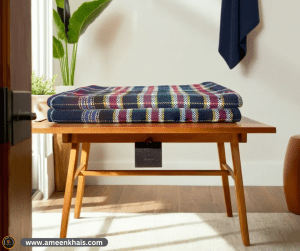
Within the complex world of textile production, there is a small but vital machine that intertwines strands of custom, skill, and cultural legacy. Khaddi, a weaving machine that is controlled by hand, is the main component of the manufacturing process for a fabric that is called “khais,” or “khaddi khais.” This fabric perfectly captures the essence of handcrafted craftsmanship and sustainable manufacturing processes with its timeless appeal and rustic charm.
Origins and Significance
The heartlands of South Asia, where ancient weaving methods have been used for millennia, are where khaddi khais first appeared. The actual weaving tool, the khaddi, is a combination of traditional wisdom and cutting-edge artistry, created to give weavers the tools they need to produce fabric with accuracy and care.
Beyond its practical use, khaddi khais are significant because they represent community resilience and the preservation of cultural legacy in the face of modernization. In an increasingly industrialized world, khaddi khais have become a symbol of tradition, upholding the values of sustainability and craftsmanship as mechanical manufacturing methods have proliferated in the textile industry.
Craftsmanship and Production
The skill of trained artisans who use these manually operated weaving machines with accuracy and agility is the essence of khaddi khais. Khaddi khais, in contrast to their automated cousins, are propelled by human energy and use a combination of pedals and manually controlled gears to weave threads into elaborate designs.
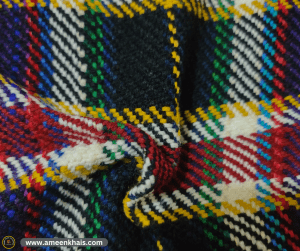 Craftspeople painstakingly thread the warp and weft threads onto the loom, adjusting tension and alignment to obtain the desired texture and weave, during the production process of khaddi khais. Every fabric created on a khaddi khais carries the mark of the artisan’s skill, expressing the subtleties of superb handiwork that distinguish it from textiles made in large quantities.
Cultural Heritage and Artisanal Revival
Khaddi khais act as protectors of cultural heritage, conserving age-old weaving traditions that have been handed down through the generations in a time of mass production and globalization. In addition to giving rural craftspeople jobs, these hand-operated devices promote a feeling of community and pride in handiwork.
The resurrection of khaddi khais is indicative of customers’ growing interest in artisanal, sustainable production methods as they search for goods that uphold ethical and authentic values. People may help ensure that the rich legacy of khaddi khais survives in the contemporary world by supporting artisan communities and the preservation of traditional handicraft.
Sustainability and Ethical Production
A distinguishing feature of khaddi khais is their dedication to sustainable and ethical production methods. Khaddi khais, which use human energy and natural fibers instead of fossil fuels and synthetic materials in their automated factories, minimize their environmental impact and encourage resource conservation.
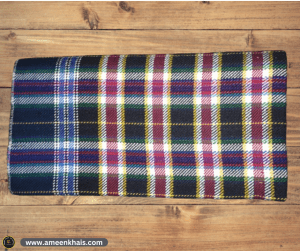
In addition, khaddi khais place a high priority on providing artisans with decent pay and working conditions so that their labor and abilities are properly valued. Khaddi khais reflect the values of social justice and economic empowerment by adopting a decentralized, community-based approach to production, enabling artisans to retain their cultural legacy while providing for their families.
Conclusion
Within the rapidly evolving realm of contemporary manufacturing, khaddi khais serve as an enduring representation of the significance of customs, skill, and sustainability. These manually operated weaving machines, which intertwine strands of cultural legacy and communal resilience, embodies the spirit of handcrafted excellence.
Let us acknowledge the significant influence these modest machines have had on the structure of society, both literally and symbolically, as we honor the heritage of khaddi khais. Supporting ethical manufacturing practices and age-old weaving processes allows us to pay tribute to the artists whose talent and commitment bring life to each and every khaddi khais, guaranteeing that the tradition will live on for many more years.
Keywords: Khaddi khais, handmade weaving machine, traditional weaving techniques, cultural heritage, artisanal craftsmanship, sustainable production, ethical fashion, artisan communities, rural employment, traditional textiles, South Asian heritage, khais manufacturing, hand-operated looms, cultural revival, human-powered weaving, environmental sustainability, fair trade practices, heritage preservation, rural empowerment, traditional craftsmanship