
Transformation Process for Quality Fiber
First of all, since ancient times, wool, a natural and adaptable fiber, has been used to make warm, cozy, and long-lasting textiles. Nevertheless, a number of complex processes that combine old world artistry and cutting edge technology must be completed before the fleece of a sheep becomes spooled yarn that is suitable for knitting, weaving, or crocheting. This article examines the intriguing process of turning wool into yarn, emphasizing the crucial steps needed to turn fleece from its raw state into a useful textile.
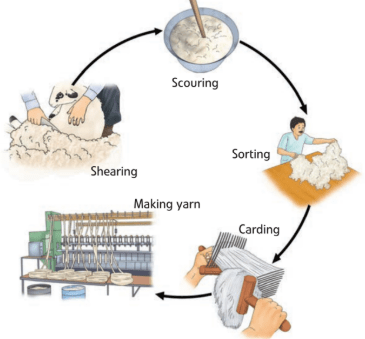 Shearing: The trip starts with the annual sheep shearing that takes place just before the arrival of warm weather. Expert shearers use manual or electric shears to properly remove the sheep’s fleece. To maintain its quality, the fleece—which is made of both wool and lanolin—is removed in one piece.
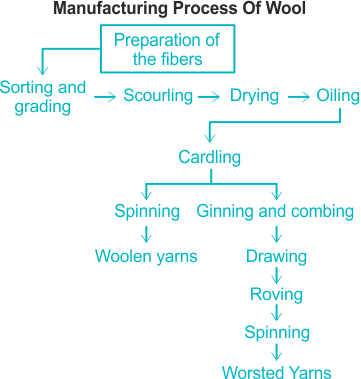
Sorting and Skirting: The fleece is sorted and skirted after it has been sheared. Skirting is trimming away any bits of the fleece that you don’t want around the edges, including filthy or highly matted areas. Only the best-quality fibers will move on to the following phase thanks to this procedure. In order to simplify processing and guarantee consistency in the finished product, sorting entails dividing the fleece according to a number of characteristics, such as fiber length, fineness, color, and texture.
Cleaning: The fleece is carefully cleaned to get rid of contaminants like lanolin, oil, and grime after it has been separated. Both conventional and contemporary approaches can be used for washing. Fleece is traditionally cleaned by rinsing and drying it in sizable vats or troughs using water and a light detergent. Fleece may be processed in contemporary facilities using large-scale washing machines that reduce environmental effect by using water recycling systems and eco-friendly detergents.
Carding: To organize the fibers in a parallel pattern, the clean fleece is carded after washing. Carding can be performed mechanically using carding machines or manually with hand cards. The procedure creates a continuous web of wool known as a “roving” or “carded sliver” by straightening and separating the fibers and eliminating any leftover contaminants.
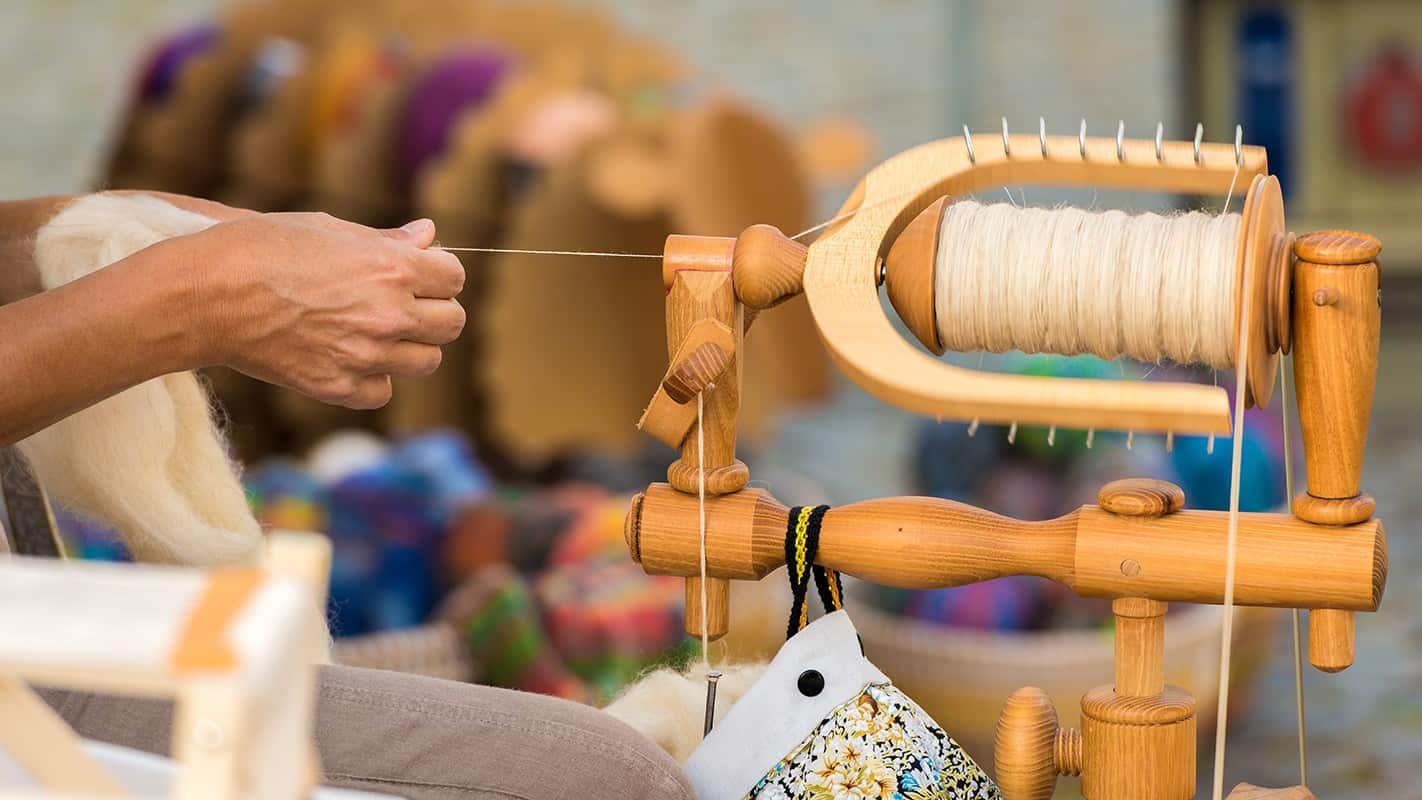
Spinning: Next, the carded slice is spun into yarn using the spinning technique. Both contemporary spinning machines and conventional spinning wheels can be used for spinning. To make a continuous strand of yarn, the fibers are pulled out and twisted together during the spinning process. The strength, thickness, and texture of the final yarn are all influenced by the degree of twist used.
Ply and Finish: The resulting yarn may go through further procedures like plying and finishing, depending on the desired qualities. Plying is the process of twisting two or more yarn strands together to produce a stronger, thicker yarn that improves stitch definition and durability. Finishing techniques to improve the softness, gloss, or color of the yarn could involve stretching, steaming, or other special procedures.
In conclusion, turning wool into yarn is a labor-intensive process that calls for knowledge, experience, and close attention to detail at every turn. Every stage, from the meticulous shearing of sheep to the accurate spinning of yarn, is essential to guaranteeing the integrity and quality of the finished product. The significance of sustainable and ethically sourced materials is growing among consumers, and comprehending the process from fleece to fiber brings to light the skill and commitment that go into creating each skein of wool yarn.