Khais
An Adaptable Indian Textile Craft with Worldwide Influence
First of all, The skill of khais, or throws, is a highly diverse and culturally significant aspect of the vivid world of Indian textiles. Khais originated in the heart of India and have gained appreciation all over the world for their complex designs, vivid colors, and multifunctional use. This article explores the craft of Khais weaving and explores its cultural significance, applications, and effects in Pakistan and globally.
The Art of Khais Weaving:
Over generations, talented artists have painstakingly woven fabrics known as “throws,” or khais. The meticulous interlacing of threads to create complicated patterns and designs is a labor-intensive procedure that characterizes traditional Khais weaving. Craftspeople utilize an array of materials, including wool, cotton, and polyester, customizing their use to suit the intended function and desired attributes of the finished item.
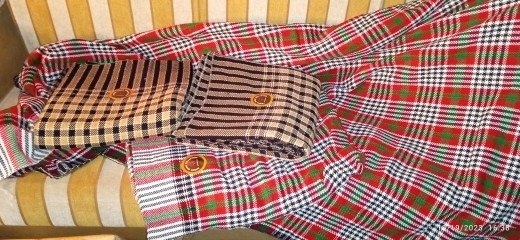
Khais boasts size and design variety, ranging from bigger, functional pieces to small, throws with detailed patterns. In order to produce the proper texture, thickness, and look, weavers must manage threads with accuracy and attention to detail.
Uses and Applications:
Khais is an essential textile that has a wide range of uses in homes. Mostly used as bedding, it adds coziness and warmth when placed on top of charpais or traditional woven beds. Because of its insulating qualities combined with breathability, it works well in a variety of temperatures, guaranteeing a nice night’s sleep every season.
Khais has uses in both personal comfort and house décor in addition to bedding. When draped over sofas or utilized as decorative accents, its vivid colors and exquisite motifs lend elegance to interiors. Khais can also be used as a personal shawl or wrap, providing warmth and shelter on chilly days or when going outside.
Deep cultural significance is attributed to khais, which in Indian civilization stand for custom, artistry, and camaraderie. Every Khais, handed down through the centuries, carries the distinct mark of the artistry and talent of its creator. During festivals, weddings, and other momentous occasions, it is exchanged as a symbol of friendliness and hospitality, strengthening social ties and uniting people.
Furthermore, the diversity of Indian culture is reflected in khis, since various regions contribute their own styles to this age-old textile technique. Each Khais, whether it is adorned with floral themes, elaborate patterns, or symbolic designs, conveys a unique tale of creativity and cultural identity.
Impact on Pakistan and the World:
Although Khais is Indian in origin, it has an impact on the whole world, including Pakistan. Cross-cultural similarities abound in the art of Khais weaving, which displays artistry and ingenuity that are highly valued by societies everywhere. In Pakistan, Khais is akin to customary weaving techniques that have been modified to suit regional tastes and cultural quirks.
Due to its visual appeal and adaptability, Khais has drawn interest from markets outside of South Asia. It has grown in popularity as a textile for clothing and home décor because it preserves its cultural history while merging in effortlessly with contemporary design trends.
Summary
Khais is an exemplary example of India’s rich textile legacy, combining fine craftsmanship with usefulness and cultural value. Its influence is global, impacting design and craftsmanship across national boundaries. Khais, which capture the classic beauty and adaptability of Indian textiles, never cease to fascinate and inspire, whether they are treasured for bedding, décor, or personal adornment.