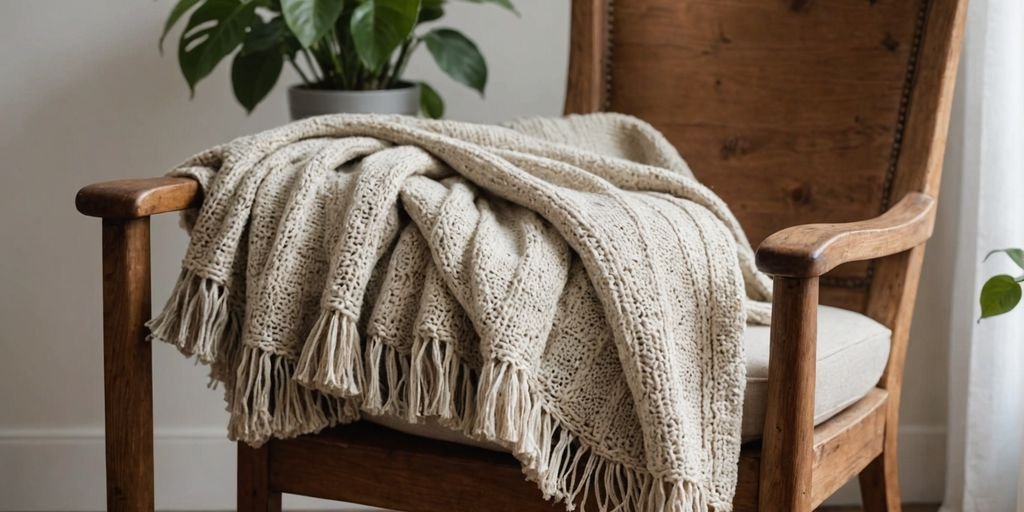
Eco-friendly handcrafted Pashmina throws made from recycled yarn are not just a trend; they represent a shift towards sustainable fashion. These luxurious throws are carefully woven using traditional techniques by skilled artisans, primarily in Nepal. By choosing recycled yarn, we help reduce waste and promote a more sustainable lifestyle. This article explores the beauty, craftsmanship, and environmental benefits of these eco-friendly Pashmina throws.
Key Takeaways
- Handcrafted Pashmina throws are made using traditional weaving techniques by artisans in Nepal, promoting cultural heritage and craftsmanship.
- Using recycled yarn in Pashmina throws helps reduce waste and supports sustainable fashion practices.
- Eco-friendly materials like organic cotton and acrylic are often combined to enhance the quality and durability of Pashmina throws.
- Ethical production practices, including fair trade certification, ensure that artisans are paid fairly and work in safe conditions.
- The growing demand for sustainable products is driving market trends, making eco-friendly Pashmina throws a popular choice among conscious consumers.
The Art of Handcrafting Pashmina Throws
Traditional Weaving Techniques
Creating pashmina throws involves meticulous shearing, sorting, and weaving. These steps are essential to transform the undercoat of Himalayan cashmere goats into luxurious wraps and shawls. The process is deeply rooted in tradition, ensuring each piece is unique and of high quality.
Artisan Communities in Nepal
In Nepal, artisan communities play a crucial role in the production of pashmina throws. These skilled artisans have honed their craft over generations, preserving the rich traditions of the Himalayan region. Their expertise ensures that each throw is not only beautiful but also a testament to cultural heritage.
The Role of Handcrafting in Sustainability
Handcrafting pashmina throws is not just about creating beautiful items; it’s also about sustainability. By using traditional methods, artisans minimize waste and reduce the carbon footprint associated with mass production. This approach supports conservation efforts and helps sustain this precious resource amid environmental challenges.
Handcrafted pashmina throws embody elegance and sophistication, reflecting the rich traditions of the Himalayan region.
Recycled Yarn: A Sustainable Choice
Sources of Recycled Yarn
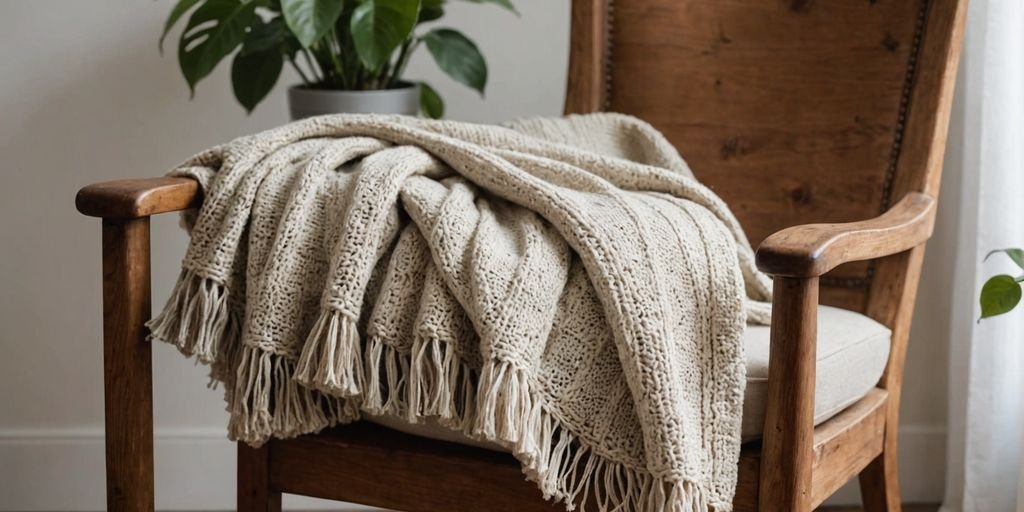
Recycled yarn comes from various sources, including old garments, fabric scraps, and even plastic bottles. These materials are processed and spun into new yarn, giving them a second life. This process not only reduces waste but also conserves resources that would otherwise be used to produce new yarn.
Environmental Benefits of Using Recycled Yarn
Using recycled yarn has numerous environmental benefits. It helps reduce the amount of waste that ends up in landfills and decreases the demand for new raw materials. Additionally, the production of recycled yarn typically requires less energy and water compared to traditional yarn manufacturing. This makes it a more sustainable option for eco-conscious consumers.
Quality and Durability of Recycled Yarn
Despite being made from recycled materials, recycled yarn is known for its high quality. It is strong, durable, and soft, making it suitable for various applications. Recycled yarn also comes in a variety of colors and textures, allowing for creative and unique designs. This makes it a popular choice for those looking to create eco-friendly and stylish products.
Eco-Friendly Materials in Pashmina Throws
Organic Cotton and Its Benefits
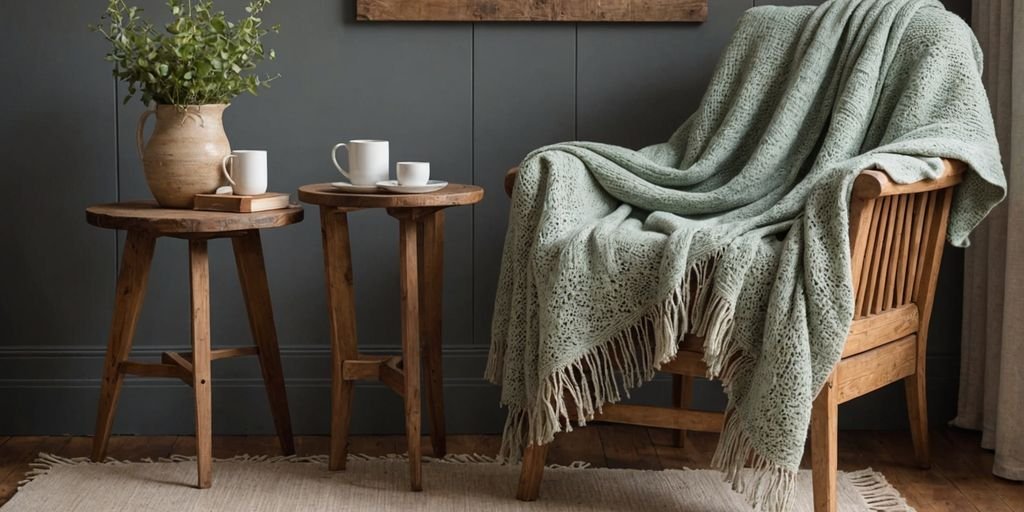
Organic cotton is a popular choice for eco-friendly pashmina throws. It is grown without harmful chemicals, making it safer for the environment and farmers. Organic cotton is also softer and more breathable than conventional cotton, providing extra comfort.
The Use of Acrylic in Eco-Friendly Throws
Acrylic is another material used in eco-friendly pashmina throws. It is lightweight, warm, and durable. While not as natural as organic cotton, acrylic can be recycled, reducing its environmental impact. Combining acrylic with other eco-friendly materials can enhance the throw’s durability and warmth.
Combining Different Eco-Friendly Materials
Many pashmina throws combine various eco-friendly materials to balance comfort, durability, and sustainability. For example, a blend of organic cotton and recycled acrylic can offer the best of both worlds. This combination ensures the throw is soft, warm, and long-lasting while minimizing environmental harm.
Choosing eco-friendly materials for pashmina throws not only supports sustainable fashion but also helps reduce the overall carbon footprint. By opting for these materials, consumers can enjoy luxurious and comfortable throws while being mindful of the planet.
Ethical Production Practices
Fair Trade Certification
Fair Trade certification ensures that products are made under fair working conditions. This includes fair wages, no child labor, and safe working environments. Brands like Organic Basics and SLATE + SALT are committed to these principles, ensuring that their products are ethically made.
Supporting Local Artisans
Supporting local artisans is crucial for maintaining traditional craftsmanship and providing economic opportunities. Artisan communities in Nepal, for example, benefit from the production of handcrafted pashmina throws. This not only helps preserve cultural heritage but also promotes sustainable practices.
Ensuring Safe Working Conditions
Ensuring safe working conditions is a fundamental aspect of ethical production. Companies like Organic Basics provide transparency about their factories, allowing consumers to see the working conditions and certifications. This transparency helps build trust and ensures that workers are treated with respect and dignity.
Ethical production practices are essential for creating a sustainable and fair fashion industry. By supporting brands that prioritize fair trade, local artisans, and safe working conditions, consumers can make a positive impact on the world.
Design and Aesthetics of Eco-Friendly Pashmina Throws
Popular Patterns and Colors
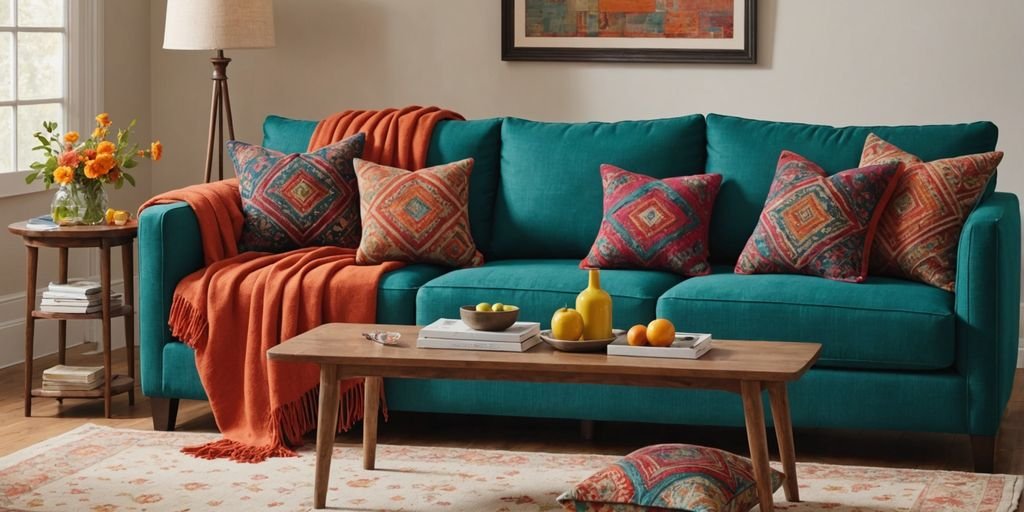
Eco-friendly pashmina throws come in a variety of popular patterns and colors. From traditional motifs to modern designs, there’s something for everyone. These throws often feature earthy tones and natural dyes, making them not only beautiful but also environmentally friendly.
Customization Options
Many brands offer customization options for their pashmina throws. You can choose the color, pattern, and even add personal touches like initials or special symbols. This makes each throw unique and perfect for gifting.
Incorporating Traditional and Modern Designs
Combining traditional and modern designs is a key feature of eco-friendly pashmina throws. Artisans often blend age-old weaving techniques with contemporary styles to create pieces that are both timeless and trendy. This durability ensures that pashminas can be cherished heirlooms, passed down through generations while maintaining their luxurious feel and aesthetic appeal.
The blend of traditional and modern designs in eco-friendly pashmina throws not only preserves cultural heritage but also meets the demands of today’s fashion-conscious consumers.
Care Instructions for Sustainable Pashmina Throws
Machine Washing Guidelines
To keep your eco-friendly pashmina throws in top condition, it’s best to follow specific washing guidelines. Always use a gentle cycle with cold water. Avoid using bleach or harsh detergents, as they can damage the fibers. Instead, opt for mild, eco-friendly cleaning products. If your throw has any special care instructions, be sure to follow them closely.
Maintaining Fabric Quality
Maintaining the quality of your pashmina throw is crucial for its longevity. After washing, lay the throw flat to dry, avoiding direct sunlight which can fade the colors. If you need to iron it, use a low heat setting and place a cloth between the iron and the throw to prevent any damage. Regularly check for any signs of wear and tear, and address them promptly to keep your throw looking its best.
Eco-Friendly Cleaning Products
Using eco-friendly cleaning products is not only good for your pashmina throw but also for the environment. Look for products that are biodegradable and free from harmful chemicals. These products are gentle on the fabric and help maintain its softness and color. Additionally, they contribute to reducing your carbon footprint and promoting sustainable living.
Taking proper care of your pashmina throw ensures it remains a cherished item in your home for years to come. By following these simple steps, you can enjoy the beauty and comfort of your throw while also supporting eco-friendly practices.
Market Trends and Consumer Preferences
Growing Demand for Sustainable Products
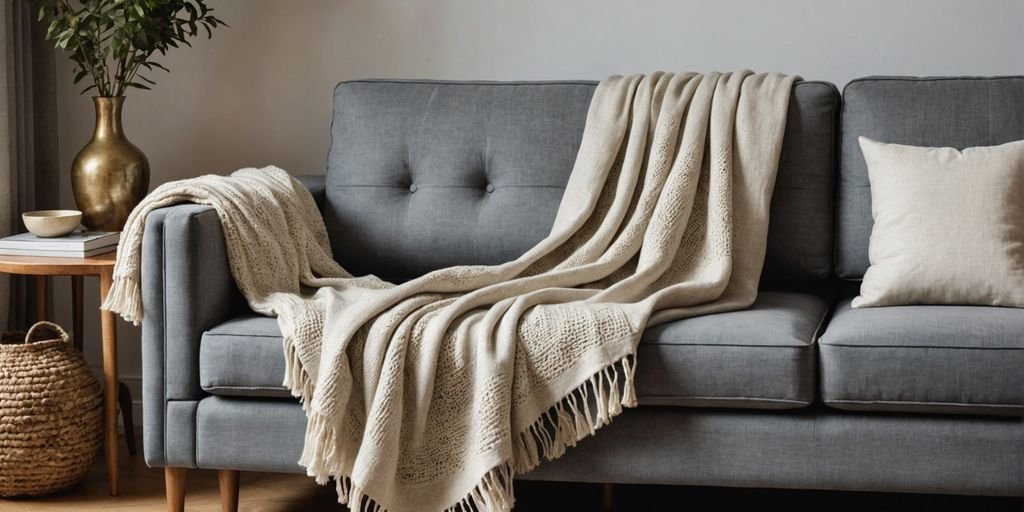
In recent years, there has been a significant rise in the demand for sustainable products. Consumers are increasingly aware of the environmental impact of their purchases and are seeking out eco-friendly options. This trend is particularly evident in the fashion industry, where items like eco-friendly pashmina throws are becoming more popular.
Consumer Awareness and Education
Consumer awareness and education play a crucial role in the shift towards sustainable fashion. Many people are now more informed about the benefits of using recycled materials and the importance of ethical production practices. This knowledge drives them to make more responsible choices, such as opting for pashmina scarves and wraps made from recycled yarn.
Price Trends and Affordability
While sustainable products are often perceived as expensive, the market is seeing a shift. As demand grows, prices are becoming more competitive, making eco-friendly options more accessible to a broader audience. This change is encouraging more consumers to invest in sustainable fashion, further driving the market forward.
The growing interest in eco-friendly fashion choices is not just a trend but a movement towards a more sustainable future. By choosing products made from recycled yarn and supporting ethical practices, consumers are making a positive impact on the environment.
The Impact of Eco-Friendly Pashmina Throws on the Environment
Reducing Carbon Footprint
Eco-friendly pashmina throws help in reducing the carbon footprint by using recycled yarn and sustainable materials. This means fewer resources are consumed, and less waste is produced during manufacturing. By choosing these products, consumers contribute to a more sustainable planet.
Minimizing Waste
Using recycled yarn in pashmina throws significantly minimizes waste. Instead of discarding old textiles, they are repurposed into beautiful, new throws. This practice not only reduces landfill waste but also promotes a circular economy.
Promoting Sustainable Fashion
Eco-friendly pashmina throws are a part of the growing trend towards sustainable fashion. They offer a stylish yet responsible choice for consumers who care about the environment. By supporting these products, individuals can help drive the demand for more sustainable fashion options.
Choosing eco-friendly pashmina throws is a simple yet effective way to support sustainable fashion and reduce environmental impact.
How to Choose the Right Eco-Friendly Pashmina Throw
Factors to Consider
When selecting an eco-friendly pashmina throw, there are several factors to keep in mind. First and foremost, check the materials. Look for throws made from recycled yarn or organic fibers. These materials are not only sustainable but also gentle on the skin. Additionally, consider the craftsmanship. Handcrafted throws often have a unique quality and support artisan communities.
Comparing Different Brands
Not all brands are created equal. Some brands go the extra mile to ensure their products are both eco-friendly and ethically made. When comparing brands, look for certifications like Fair Trade or GOTS. These certifications can give you peace of mind that the product meets high environmental and ethical standards. Our editors have reviewed dozens of organic and sustainable throw blankets—these are the best brands for nontoxic fabrics, cozy materials, and a range of styles.
Reading Labels and Certifications
Reading labels is crucial when choosing an eco-friendly pashmina throw. Labels can provide information about the materials used, the manufacturing process, and any certifications the product has received. Look for labels that mention recycled yarn, organic cotton, or other sustainable materials. Certifications like Fair Trade, GOTS, and OEKO-TEX are good indicators of a product’s eco-friendliness.
Choosing the right eco-friendly pashmina throw is not just about style; it’s about making a responsible choice for the planet. By paying attention to materials, brands, and certifications, you can find a throw that is both beautiful and sustainable.
The Future of Sustainable Fashion
Innovations in Eco-Friendly Materials
The future of sustainable fashion is bright, with innovations in eco-friendly materials leading the way. Researchers are developing new fabrics from unexpected sources like algae and pineapple leaves. These materials not only reduce waste but also offer unique textures and properties that traditional fabrics can’t match.
The Role of Technology in Sustainable Fashion
Technology is playing a crucial role in making fashion more sustainable. From 3D printing to blockchain for supply chain transparency, tech advancements are helping brands reduce waste and ensure ethical practices. For instance, 3D printing allows for precise manufacturing, minimizing leftover materials.
Predictions for Market Growth
The market for sustainable fashion is expected to grow significantly in the coming years. Consumers are becoming more aware of the environmental impact of their purchases and are seeking out eco-friendly options. This shift in consumer behavior is driving brands to adopt more sustainable practices, making eco-friendly fashion more accessible and affordable.
The process of converting wool to yarn is intricate and requires expertise at each stage, from shearing to spinning. Emphasizing sustainable and ethically sourced materials, it highlights the craftsmanship involved in creating high-quality wool yarn. Understanding this transformation enhances appreciation for the skill and dedication of artisans in the fiber arts.
Conclusion
In conclusion, eco-friendly handcrafted pashmina throws made from recycled yarn are a fantastic choice for anyone looking to make a positive impact on the environment while enjoying a touch of luxury. These throws are not only stylish and comfortable but also promote sustainable practices by reusing materials that would otherwise go to waste. By choosing these eco-friendly options, you are supporting ethical craftsmanship and contributing to a greener planet. So, next time you need a cozy throw, consider one made from recycled yarn and feel good about your purchase.
Frequently Asked Questions
What is a pashmina throw?
A pashmina throw is a type of blanket or wrap made from pashmina wool, known for its softness and warmth. It’s often used as a cozy accessory for home or as a stylish wrap for going out.
How is recycled yarn made?
Recycled yarn is made by collecting old textiles and plastic bottles, breaking them down into fibers, and then spinning these fibers into new yarn. This process reduces waste and conserves resources.
Why choose pashmina throws made from recycled yarn?
Choosing pashmina throws made from recycled yarn helps reduce environmental impact by minimizing waste and conserving resources. It also supports sustainable fashion practices.
Are pashmina throws from recycled yarn as soft as traditional pashmina?
Yes, pashmina throws made from recycled yarn can be just as soft and cozy as those made from traditional pashmina. The quality of the yarn and the craftsmanship of the artisans ensure a luxurious feel.
How do I care for my eco-friendly pashmina throw?
To care for your eco-friendly pashmina throw, it’s best to follow the care instructions on the label. Generally, you can machine wash it on a gentle cycle with mild detergent and air dry it to maintain its quality.
What are the benefits of using organic cotton in pashmina throws?
Organic cotton is grown without harmful chemicals, making it better for the environment and safer for the farmers. It is also soft, durable, and hypoallergenic, making it a great choice for pashmina throws.
What does fair trade certification mean for pashmina throws?
Fair trade certification means that the pashmina throws are made by artisans who are paid fair wages and work in safe conditions. It ensures ethical production practices and supports the well-being of the workers.
Can I customize my pashmina throw?
Yes, many brands offer customization options for pashmina throws. You can choose from different colors, patterns, and even add personalized embroidery to make your throw unique.


