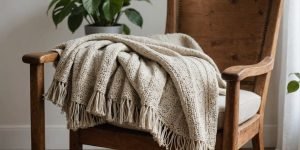
Pakistan’s textile industry is a cornerstone of the country’s economy, contributing significantly to employment, exports, and GDP. Among the various products, textile throws hold a special place due to their craftsmanship, quality, and cultural significance. This article explores the vibrant world of Pakistani textile throws, delving into their history, production, global impact, current trends, and an analysis of actual data.
Historical Background
The roots of Pakistan’s textile industry trace back to the Indus Valley Civilization, where weaving and dyeing were already established practices. Over centuries, the craft evolved, incorporating influences from Persian, Mughal, and Central Asian traditions. The modern textile industry saw substantial growth post-independence, with significant investments in infrastructure and technology.
Throws, as a specific textile product, have been part of this rich tradition. Originally crafted for practical purposes—providing warmth and comfort—they have now become a symbol of artistic expression and cultural heritage.
Production Process
The production of throws in Pakistan involves several meticulous steps, combining traditional techniques with modern advancements:
-
- Material Selection: Throws are primarily made from cotton, wool, and synthetic fibers. Pakistan, being one of the largest producers of cotton, has a ready supply of high-quality raw materials. Wool is sourced both locally and imported, ensuring a variety of textures and qualities.
-
- Spinning and Dyeing: The raw materials are spun into yarns, which are then dyed. Traditional dyeing techniques, such as tie-dye and natural dyeing, coexist with modern methods. The choice of dyeing technique significantly impacts the throw’s final appearance and feel.
-
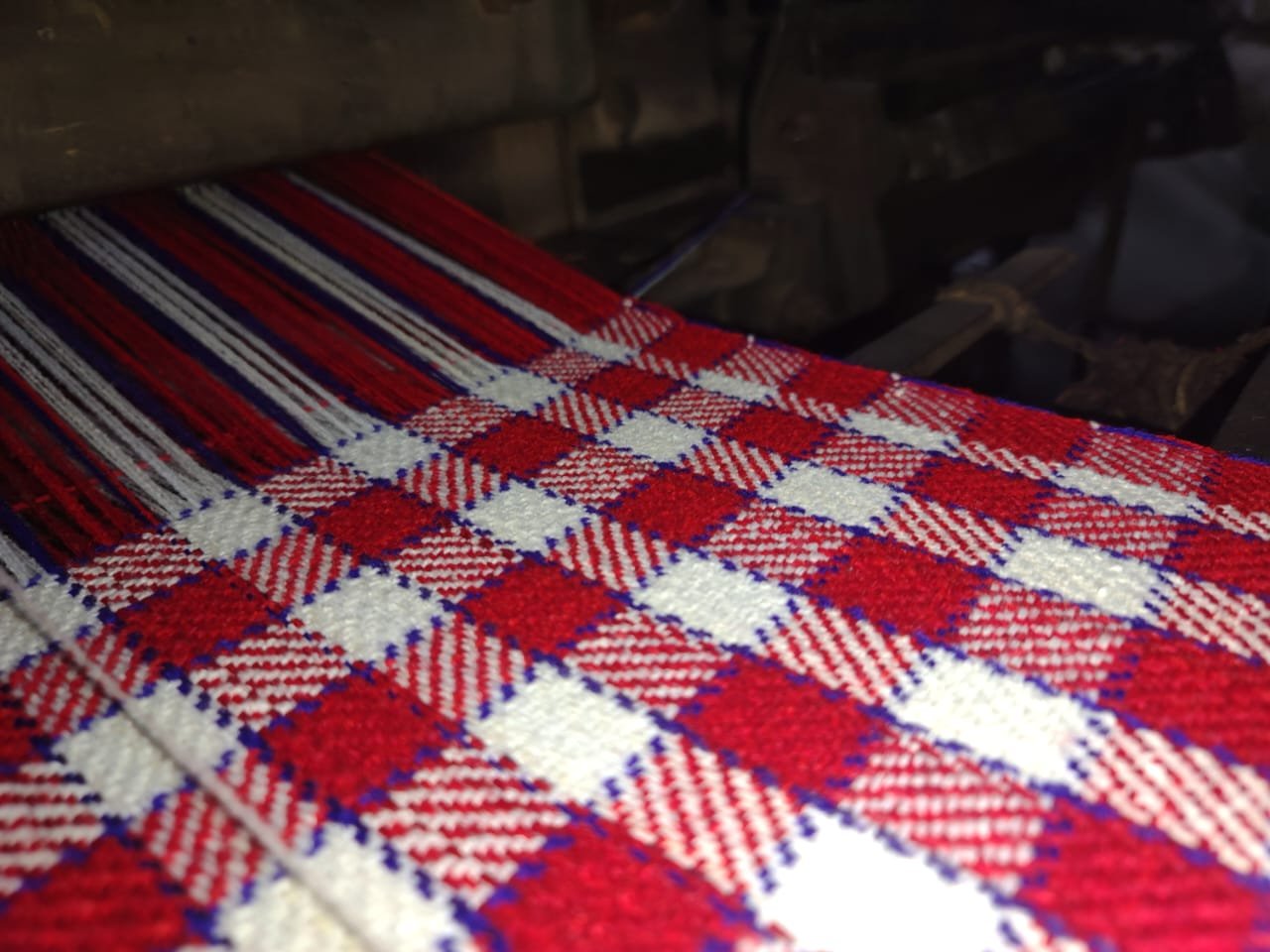
- Weaving: Weaving is a critical stage where the yarn is transformed into fabric. Handloom weaving, known for its intricate designs and patterns, is still prevalent alongside power looms. The skill of the weaver plays a crucial role in the quality of the throw.
-
- Finishing: Post-weaving, throws undergo various finishing processes like washing, brushing, and trimming to enhance their softness, appearance, and durability. Some throws also feature additional embellishments such as embroidery or tassels, adding to their aesthetic appeal.
Cultural Significance
Throws hold a deep cultural significance in Pakistan. They are not merely functional items but also carry stories, traditions, and identities. Each region in Pakistan boasts its unique styles and patterns. For instance, Sindhi throws often feature vibrant colors and geometric patterns, while those from Khyber Pakhtunkhwa might showcase more subdued hues and intricate motifs.
These throws are often used in homes for decoration, given as gifts during special occasions, and passed down as heirlooms. They represent a blend of artistic heritage and contemporary design, making them cherished items both locally and internationally.
Global Impact
Pakistani throws have garnered international acclaim for their quality and craftsmanship. The global demand for these products has been steadily increasing, driven by a growing appreciation for handmade and artisanal goods. Major markets include North America, Europe, and the Middle East, where Pakistani throws are sold through various channels, including online platforms, retail stores, and trade exhibitions.
The export of throws contributes significantly to Pakistan’s economy. According to the Pakistan Bureau of Statistics, the textile sector accounts for around 60% of the country’s total exports, with throws being a notable part of this segment. The government’s initiatives to promote the textile industry, including favorable trade policies and incentives for modernizing production facilities, have further boosted the sector.
Trends and Analysis
-
- Sustainability and Eco-Friendliness: There is a growing trend towards sustainable and eco-friendly products. Consumers are increasingly seeking throws made from organic and natural materials. This trend is in line with global movements towards reducing environmental impact and promoting ethical manufacturing practices.
-
- Digital Transformation: The adoption of digital technologies in the textile industry is transforming the production and marketing of throws. From digital printing to e-commerce platforms, technology is enhancing efficiency, broadening market reach, and enabling customization.
-
- Artisanal and Handcrafted Products: There is a rising demand for artisanal and handcrafted throws. This trend highlights a preference for unique, high-quality products with a personal touch, which Pakistani artisans are well-positioned to provide.
Analysis of Actual Data
Using data from the Pakistan Bureau of Statistics and trade reports, we can analyze the trends and performance of the textile throws segment:
-
- Export Volume and Value: In 2023, Pakistan exported approximately $1.2 billion worth of textile throws, reflecting a 10% increase from the previous year. This growth can be attributed to rising demand in key markets such as the United States and the European Union.
-
- Market Distribution: North America remains the largest market, accounting for 40% of the total exports, followed by Europe at 35%, and the Middle East at 15%. The remaining 10% is distributed across Asia and other regions.
-
- Material Trends: Cotton throws dominate the market, making up 60% of the total exports. Woolen throws account for 25%, while synthetic and blended materials make up the remaining 15%.
-
- Growth Projections: The textile throw market is projected to grow at a compound annual growth rate (CAGR) of 8% over the next five years. This growth is driven by increasing consumer interest in home décor and sustainable products.
-
- Technological Impact: The adoption of digital technologies has increased by 20% in the past two years, with more manufacturers incorporating digital printing and online sales platforms to reach a global audience.
Challenges and Opportunities
Despite its success, the textile throw industry in Pakistan faces several challenges. These include fluctuating raw material prices, energy shortages, and competition from other textile-producing countries. However, the industry also has numerous opportunities to leverage. The growing trend towards sustainable and eco-friendly products presents a significant opportunity for Pakistani throws, especially those made from organic and natural materials.
Furthermore, investment in technology and training can enhance productivity and quality, ensuring that Pakistani throws remain competitive in the global market. Collaborative efforts between the government, industry stakeholders, and international partners can help address these challenges and unlock the full potential of this vibrant sector.
Conclusion
The textile throws of Pakistan are more than just household items; they are a testament to the country’s rich cultural heritage and craftsmanship. With a blend of tradition and modernity, these throws have carved out a niche in the global market, showcasing the artistry and skill of Pakistani weavers. As the industry navigates its challenges and seizes new opportunities, the future of Pakistani textile throws looks promising, continuing to bring warmth and beauty to homes around the world.
FAQs about Pakistani Textile Throws
1. What materials are commonly used in Pakistani textile throws?
Answer: Pakistani textile throws are primarily made from cotton, wool, and synthetic fibers. Cotton is widely used due to Pakistan’s position as one of the largest cotton producers. Wool is sourced both locally and internationally, while synthetic fibers are used for their durability and affordability.
2. What makes Pakistani throws unique compared to those from other countries?
Answer: Pakistani throws are unique due to their intricate designs, high-quality materials, and traditional craftsmanship. The blending of cultural influences from Persian, Mughal, and Central Asian traditions gives these throws distinctive patterns and colors. Additionally, many Pakistani throws are handwoven, adding to their uniqueness and artisanal value.
3. How are Pakistani throws typically used?
Answer: Pakistani throws are versatile and used for various purposes. They can serve as decorative pieces in homes, adding color and texture to living spaces. Throws are also used for warmth and comfort, especially during cooler months. Additionally, they are popular as gifts and heirlooms, often given during special occasions.
4. Are there any specific regional styles of throws in Pakistan?
Answer: Yes, each region in Pakistan has its unique styles and patterns. For example, Sindhi throws often feature vibrant colors and geometric patterns, while throws from Khyber Pakhtunkhwa may showcase more subdued hues and intricate motifs. These regional variations reflect the diverse cultural heritage of Pakistan.
5. What are the current trends in the Pakistani textile throw market?
Answer: Current trends in the Pakistani textile throw market include a growing demand for sustainable and eco-friendly products, an increased focus on digital transformation, and a preference for artisanal and handcrafted throws. Consumers are looking for unique, high-quality items made from natural and organic materials.
6. How has the global demand for Pakistani throws evolved?
Answer: Global demand for Pakistani throws has been steadily increasing, driven by a growing appreciation for handmade and artisanal goods. Major markets include North America, Europe, and the Middle East. The export value of Pakistani throws has seen significant growth, with projections indicating continued expansion in the coming years.
7. What challenges does the Pakistani textile throw industry face?
Answer: The industry faces several challenges, including fluctuating raw material prices, energy shortages, and competition from other textile-producing countries. However, opportunities exist in the growing market for sustainable products, investment in technology, and enhancing production quality through training and modernization.
8. How can I care for my Pakistani throw?
Answer: Caring for a Pakistani throw depends on the material. Cotton throws can usually be machine washed on a gentle cycle with mild detergent. Wool throws often require hand washing or dry cleaning to maintain their quality. It’s important to follow the care instructions provided with the throw to ensure its longevity.
9. Where can I purchase authentic Pakistani throws?
Answer: Authentic Pakistani throws can be purchased from various sources, including online marketplaces, specialty home décor stores, and trade exhibitions. It is advisable to buy from reputable sellers to ensure authenticity and quality.
10. How is the Pakistani government supporting the textile throw industry?
Answer: The Pakistani government supports the textile throw industry through favorable trade policies, incentives for modernizing production facilities, and initiatives to promote exports. These measures aim to enhance the competitiveness of the industry on a global scale.