“Discovering Dohar: Tradition, Craftsmanship, and Cultural Harmony Across India and Pakistan”
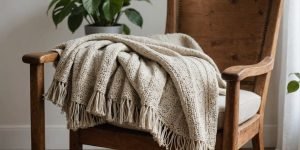
The dohar has a special position in the colorful tapestry of Indian textiles and workmanship. A dohar, sometimes called a light blanket or summer quilt, is more than just a piece of fabric; it’s an object that combines the necessities of contemporary living with the essence of rich cultural history. Let’s explore this adaptable textile marvel’s essence in more detail.
Origins and Tradition:
“Dohar” is derived from the Bengali language, where “har” denotes layer and “do” means two. Dohars were traditionally made in Indian homes as a traditional kind of bedding. They were first fashioned by hand using layers of fine cotton muslin, which were then sewed together with delicate embroidery, or kantha work, a classic kind of hand-sewn running stitch embroidery that originated in Bengal.
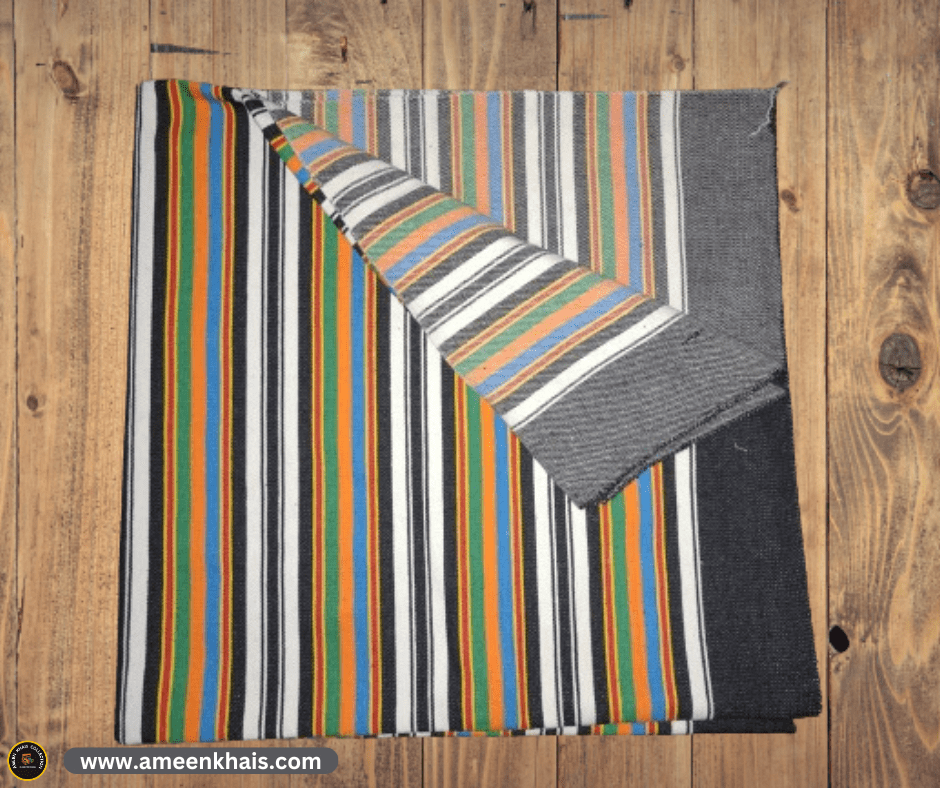
A similar tradition of making lightweight quilts exists in neighboring Pakistan, however local names for them may differ. Using age-old methods and themes, Pakistani artists also produce beautiful quilts that showcase the region’s rich cultural legacy. Similar to Indian dohars, these quilts are aesthetically pleasing and comfortable, frequently with elaborate block printing or embroidery. The spirit of craftsmanship and tradition endures across boundaries, despite possible differences in styles and local preferences.
Craftsmanship & Technique:
The fine craftsmanship of traditional dohars is well-known. Expert quilters painstakingly sandwich two or more light cotton fabric sheets together and hand-quilt complex designs onto them. In addition to joining the layers together, the stitching has an artistic quality and frequently tells stories through themes drawn from mythology, the natural world, or everyday life. Particularly the Kantha stitch, with its understated grace and simplicity, lends a unique appeal.
Utility and Versatility:
A dohar’s versatility is one of its distinguishing features. Dohars are lightweight and breathable, which makes them perfect for the hot and muggy Indian summers, in contrast to heavier quilts or comforters. They are the ideal combination of softness and comfort for a good night’s sleep and versatility, as they may be used as a fashionable throw for your living room couch or as a warm blanket on chilly evenings.
Contemporary Adaptations:
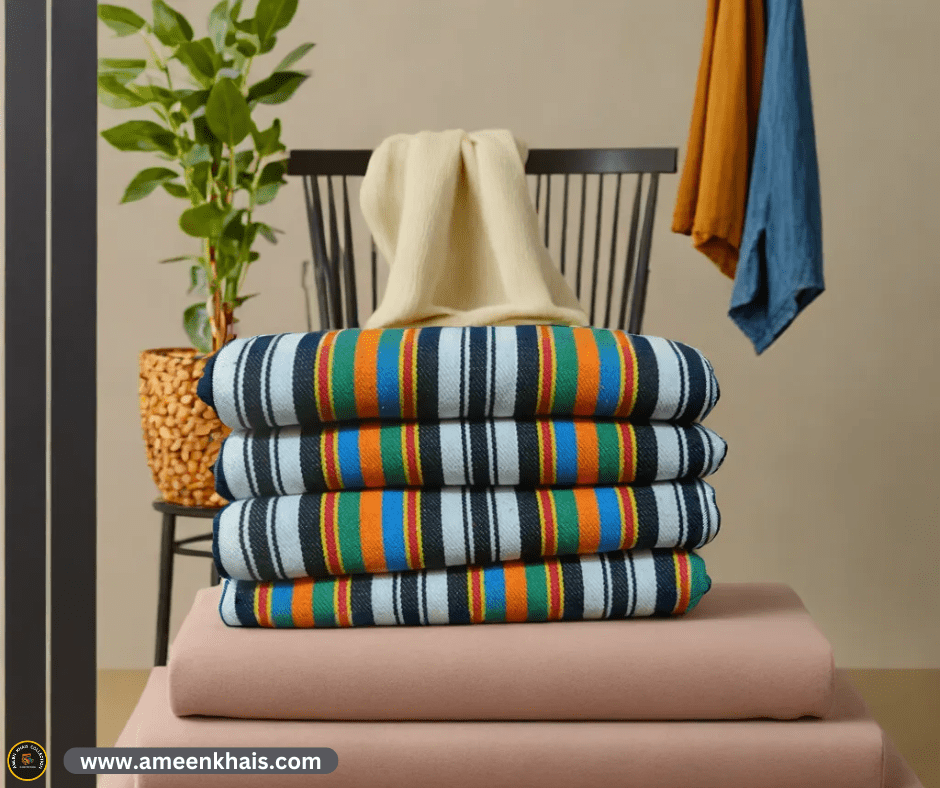
The traditional dohar has changed in the contemporary era because to shifting societal norms and tastes. Even while the core of craftsmanship is still present, modern dohars frequently have colorful prints, striking hues, and unusual designs to suit a range of tastes. Furthermore, machine-made dohars are becoming more and more well-liked because they are accessible and reasonably priced without sacrificing quality.
Eco-Friendly and Sustainable:
The return of handwoven textiles like dohars is not only a stylish option, but also a sustainable one in today’s environmentally concerned society. They are environmentally friendly and biodegradable since they are made of natural fibers like cotton. Supporting regional artists and traditional crafts also strengthens rural communities and aids in the preservation of antiquated methods.
The dohar stands as a testament to the enduring legacy of traditional craftsmanship in South Asia, transcending borders and time. This unique textile embodies the shared cultural heritage between India and Pakistan, where artisans on both sides continue to breathe life into ancient techniques, creating pieces that are both functional and artistic.
Cultural Significance:
Beyond its physical attributes, the dohar holds deep cultural significance. It is a symbol of familial warmth and comfort, often passed down through generations as a cherished heirloom. In many households, a dohar is not just a bedding item but a piece of history, carrying the memories of countless summers and the hands that crafted it. The act of making a dohar is also an integral part of the cultural identity in regions where this craft is practiced, often involving community participation and shared stories.
Global Appeal:
Today, the dohar has found admirers beyond the borders of India and Pakistan, appealing to global audiences who appreciate its blend of tradition and utility. Its lightweight nature makes it a popular choice in warmer climates around the world, while its intricate designs and craftsmanship attract those with a keen eye for artisanal products. As more people become aware of the importance of supporting sustainable and ethical fashion, the dohar’s popularity continues to rise.
Preserving the Craft:
The continued demand for dohars plays a crucial role in preserving this traditional craft. By choosing a dohar, consumers are not just purchasing a blanket—they are supporting the livelihoods of artisans and helping to keep centuries-old traditions alive. Initiatives that promote the use of traditional techniques and natural materials are essential in a world where fast fashion and mass production often overshadow the value of handmade goods.
In a world where cultural traditions are increasingly at risk of being lost, the dohar serves as a reminder of the importance of preserving our shared heritage. It is a piece of living history, a connection to our past, and a bridge to our future. Whether used as a cozy blanket, a decorative throw, or a meaningful gift, the dohar remains a beloved and timeless textile that continues to bring warmth and beauty to homes across the globe.
The Future of Dohars:
As the world becomes more interconnected, there is a growing appreciation for the stories and craftsmanship behind everyday items like the dohar. Designers and artisans are now exploring innovative ways to incorporate traditional techniques into contemporary designs, ensuring that this art form remains relevant for future generations. Collaborations between artisans and modern designers are creating new opportunities for the dohar, blending its rich history with fresh, modern aesthetics.
In conclusion, the dohar is more than just a textile—it’s a celebration of cultural heritage, a testament to skilled craftsmanship, and a symbol of the enduring bond between tradition and modernity. Whether cherished as a family heirloom or admired as a piece of art, the dohar continues to hold a special place in the hearts of those who understand the true value of craftsmanship and culture.
In summary, a dohar becomes more than just a tool; it represents artistic expression, cultural legacy, and sustainable life. Spread out for a picnic, draped over a bed, or treasured as a priceless inheritance, it perfectly captures the classic elegance of Indian handicraft. The dohar is a symbol of the lasting legacy of master craftsmanship as we embrace the blend of tradition and modernity.
FAQS
1. What is a dohar?
A dohar is a traditional, lightweight blanket or summer quilt made from layers of fine cotton fabric. It is often used in warm climates due to its breathable nature and is known for its intricate craftsmanship and cultural significance in regions like India and Pakistan.
2. How is a dohar different from a regular blanket or quilt?
Dohars are typically lighter and more breathable than standard blankets or quilts, making them ideal for warmer weather. They are made from layers of cotton, often hand-stitched or embroidered, whereas regular quilts may use heavier materials like wool or synthetic fibers.
3. What materials are used to make dohars?
Dohars are traditionally made from cotton muslin, a lightweight and breathable fabric. Some may also feature embroidery or block printing, using natural dyes and fibers. Modern dohars might include a variety of cotton blends, but the focus remains on natural, breathable materials.
4. How do I care for my dohar?
Dohars should be handled with care to maintain their quality:
Washing: Wash your dohar in cold water on a gentle cycle, preferably by hand or in a washing machine with mild detergent.
Drying: Air-dry your dohar by laying it flat or hanging it in the shade. Avoid direct sunlight to prevent fading.
Storage: Store your dohar in a cool, dry place, preferably in a breathable cotton bag to protect it from dust and moisture.
5. Can I use a dohar in winter?
Dohars are designed for warmer climates, but they can be layered with other blankets or quilts for added warmth in cooler weather. They are versatile and can be used year-round depending on your needs.
6. What sizes do dohars come in?
Dohars are available in various sizes, including:
Single: Suitable for individual use, typically around 60 x 90 inches.
Double/Queen: Ideal for a double or queen-sized bed, usually around 90 x 108 inches.
King: Designed for king-sized beds, generally around 108 x 108 inches.
7. Are dohars environmentally friendly?
Yes, dohars are often made from natural, biodegradable materials like cotton. The traditional crafting process also tends to be more sustainable, involving minimal use of chemicals and supporting local artisans.
8. Where can I buy a dohar?
Dohars can be purchased from various sources, including:
Local markets: Especially in regions where the craft is prevalent, like India and Pakistan.
Online stores: Many websites offer a wide range of dohars, from traditional hand-crafted ones to modern designs.
Boutiques: Specialty stores and boutiques that focus on handmade or artisanal products may also carry dohars.
9. How are dohars made?
Traditional dohars are handcrafted by skilled artisans who layer fine cotton muslin and sew them together using techniques like kantha stitching. This process can involve intricate embroidery, block printing, or hand-quilting, making each dohar unique.
10. Are dohars suitable for children?
Yes, dohars are excellent for children due to their lightweight, breathable nature, which keeps them comfortable without overheating. They are also made from soft, natural materials, making them gentle on sensitive skin.
11. What is the cultural significance of a dohar?
Dohars hold cultural significance in South Asia, particularly in India and Pakistan, where they are part of a long tradition of textile craftsmanship. They are often passed down as heirlooms and are valued for their blend of utility and artistry.
Keywords: Dohar, Tradition, Craftsmanship, Cultural Harmony, India, Pakistan, Ameen Khais Collection, Fashion by Ameen.