
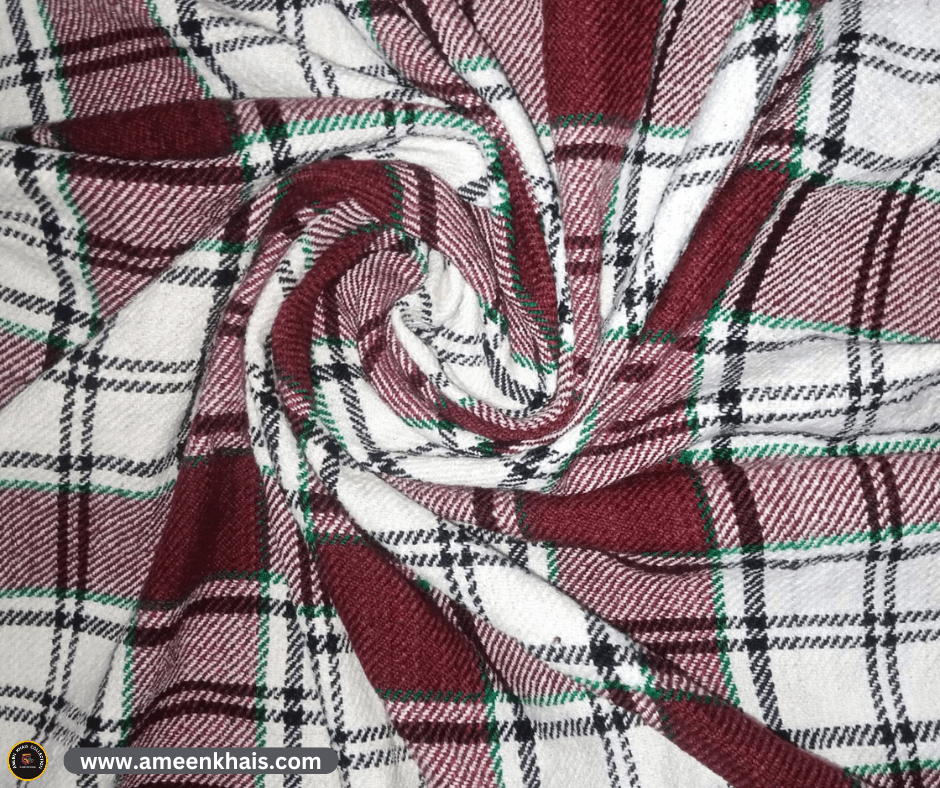
The Opulent Heritage of Pashmina Wool Piecing Together the History of an Iconic Textile Treasure
First of all, Called the “diamond fiber” or “soft gold,” pashmina wool is the height of luxury and grace when it comes to textiles. This beautiful wool, which comes from the high altitude areas of the Himalayas, has been adorning shoulders and captivating hearts for ages. This article explores the fascinating history, complex manufacturing method, and eternal appeal of Pashmina wool, revealing the mysteries behind its ongoing popularity.
A Brief History:
The Himalayan regions of Kashmir, Nepal, and Tibet are the source of Pashmina wool, which has a millennium-long history. Its historic Persian influence is evidenced by the fact that the word “Pashmina” itself comes from the Persian word “pashm,” which means wool. In ancient civilizations, Pashmina wool, prized for its unmatched quality and fine craftsmanship, swiftly became a symbol of royalty and nobility because to its outstanding softness, warmth, and lightweight texture.
The Path from Fleece to Fabric:
Shearing the soft undercoat of Himalayan mountain goats, especially the Changthangi breed of Cashmere goats, is the first step in the time-consuming and complex process of producing Pashmina wool. Only a little amount of the sought-after fiber is produced by hand during the spring molting season from the fleece, known as pashm. After being harvested, the raw Pashm is carefully sorted, cleaned, and spun by trained craftspeople to maintain its original sheen and softness.
 The Art of Weaving and Finishing:
Using either contemporary or traditional hand looms, the Pashmina yarn is meticulously weaved into exquisite wraps, scarves, and shawls once it has been spun. Expert weavers use age-old methods that have been passed down through the years to create complex patterns and designs, from traditional paisleys to modern themes. They frequently operate in family-owned enterprises. After weaving, the cloth is given one last finishing step to improve its texture and look. This step may involve brushing, washing, and hand embroidery.
The Everlasting Allure of Pashmina: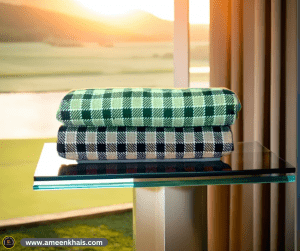
Pashmina wool’s everlasting allure is derived from its exceptional craftsmanship, unmatched softness, adaptability, and durability. Pashmina wool is highly valued for its year-round wearability and is known for its capacity to offer warmth without adding weight. As such, it is a treasured addition for both formal and casual settings. Beyond its usefulness, Pashmina wool exudes elegance and refinement, conjuring images of the Himalayan region’s rich cultural past and the artists who painstakingly create each item.
 Challenges and Conservation Efforts:
Overgrazing, environmental deterioration, and competition from synthetic substitutes are some of the issues that Pashmina wool must contend with in spite of its rich history and ongoing popularity. The Pashmina ecosystem is being preserved and managed sustainably through a variety of programs, such as those that encourage ethical grazing methods, assist artisan cooperatives, and increase public knowledge of the importance of genuine Pashmina wool. Through promoting a more profound understanding of the cultural and ecological importance of Pashmina wool, these initiatives seek to guarantee its conservation for the benefit of upcoming generations.
In summary, Pashmina wool is proof of the timeless appeal of natural fabrics and the skill of age-old handicraft. From its modest beginnings in the Himalayan foothills to its widespread recognition as a symbol of elegance and sophistication, Pashmina wool has captured people’s hearts and aroused admiration everywhere. In addition to honoring the history of Pashmina wool, let’s acknowledge how crucial it is to protect its natural integrity and rich cultural tradition in order to guarantee that this priceless material will continue to enchant future generations.
Keywords: Pashmina wool, Himalayan mountain goats, Changthangi breed, Cashmere goats, luxury fiber, fine undercoat, softness, warmth, lightweight texture, traditional craftsmanship, weaving, finishing processes, cultural heritage, sustainability, conservation efforts, environmental degradation, overgrazing, synthetic substitutes, artisan cooperatives, global appreciation.
Q: What is wool from Pashmina?
A: The Changthangi breed of Cashmere goats, who inhabit the Himalayas, provide the rich and fine fiber known as pashmina wool.
Q: From where does Pashmina wool come?
A: The high-altitude Himalayan areas of Tibet, Nepal, and Kashmir are the source of pashmina wool.
Q: Why is Pashmina wool special?
A: Pashmina wool is highly sought-after for clothes and accessories because of its remarkable softness, warmth, and lightweight texture. It also provides warmth without adding weight to the wearer.
Q: What steps are involved in making wool from Pashmina?
A: The delicate undercoat of Himalayan mountain goats is sheared during the spring molting season, and then expert artisans sort, clean, spin, weave, and finish the wool to produce Pashmina wool.
Q: What steps are involved in making wool from Pashmina?
A: The delicate undercoat of Himalayan mountain goats is sheared during the spring molting season, and then expert artisans sort, clean, spin, weave, and finish the wool to produce Pashmina wool.
Q: How is fabric made from Pashmina wool woven?
A: Expert weavers utilize both contemporary and traditional hand looms to weave Pashmina wool into fabric. They employ age-old methods to produce elaborate patterns and designs.
Q: What are some of the difficulties in producing Pashmina wool?
A: Degradation of the environment, overgrazing, competition from synthetic replacements, and problems with sustainability and conservation are some of the challenges facing the production of pashmina wool.
Q: What steps are being taken to preserve and maintain the Pashmina ecosystem in a sustainable manner?
A: A number of measures are being taken to conserve and sustainably manage the Pashmina ecosystem, such as encouraging ethical grazing methods, aiding artisan cooperatives, educating people about the importance of real Pashmina wool, and putting policies in place to protect the area’s ecological integrity and cultural legacy.
Q: What role does Pashmina wool play in terms of worldwide appreciation and cultural legacy?
A: Pashmina wool is highly valued for its cultural history and invokes memories of the Himalayan region’s rich customs and handicrafts. It is recognized as a representation of wealth, sophistication, and ageless beauty on a global scale.